Implantation Symptoms Day-by-Day After Embryo Transfer: What’s Normal

Implantation symptoms day by day after embryo transfer can feel like a secret code you are desperate to crack while you wait for that blood test. After everything you have already pushed through with IVF, every twinge, cramp, or wave of fatigue can feel like a sign that everything is either working beautifully or falling apart. This post lays out a clear, honest timeline of possible implantation symptoms after embryo transfer, what’s considered normal, when to call your clinic, and how to stay emotionally grounded in the middle of the most stressful fourteen days of the whole cycle.
Implantation Symptoms in IVF: The Basics
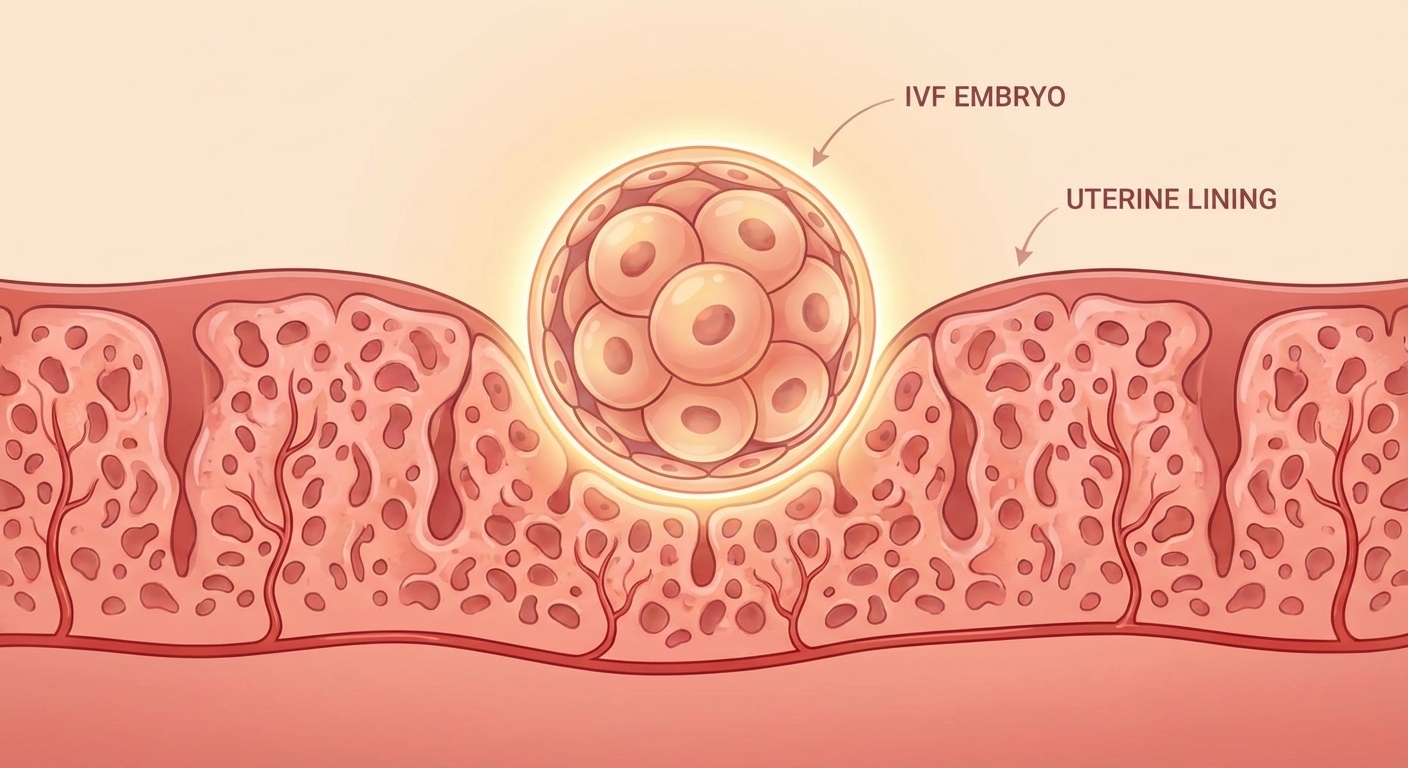
Implantation is the moment a transferred embryo attaches to the uterine lining and begins signaling your body to support a pregnancy. In IVF, this usually happens several days after transfer, often between about 6–12 days past ovulation equivalent, depending on whether you transferred a day-3 embryo or a blastocyst and whether it was fresh or frozen. Clinics describe common implantation symptoms in IVF as light spotting, mild cramping, breast tenderness, fatigue, and sometimes subtle mood shifts or nausea. At the same time, progesterone and other medications used after transfer can cause almost identical sensations even if implantation has not happened yet, which is why symptoms alone are unreliable.
Day-by-Day Timeline After Embryo Transfer (DPT 1–14)
In the first 1–3 days after embryo transfer, the embryo is still settling in; cramping or bloating at this stage is more often from the procedure or progesterone than from implantation itself. Many clinics note that some people feel completely normal during these early days, while others report mild cramps, twinges, or fatigue from hormones and stress. Around days 3–6 past transfer, the embryo may begin to attach and burrow into the uterine lining, which can trigger light spotting, mild period-like cramps, breast tenderness, or a sense of fullness or bloating. This light “implantation bleeding” is typically short, lighter than a period, and may be pink or brown rather than bright red.
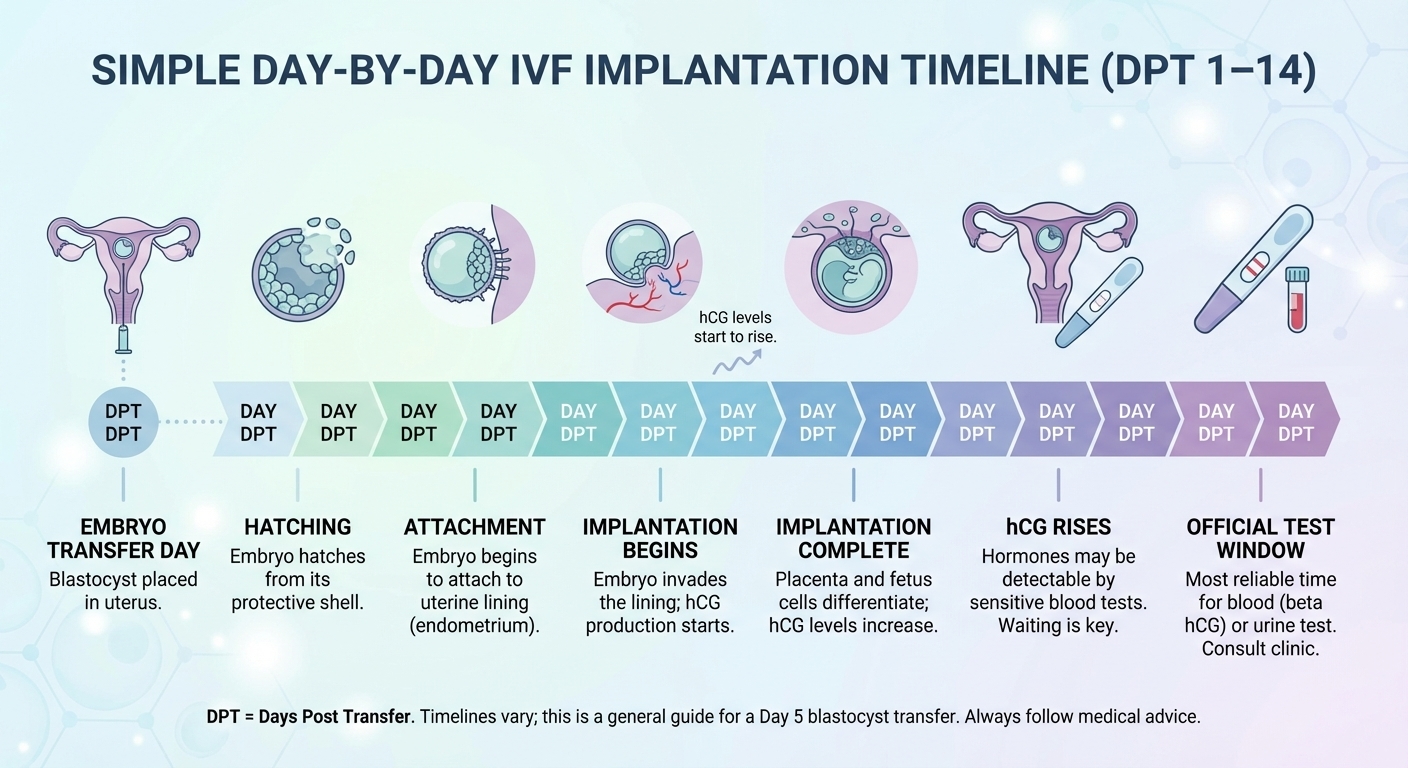
By roughly days 7–10 past transfer, implantation is usually complete if the cycle is going to be successful, and early pregnancy hormones start climbing. At this point, some people notice stronger fatigue, increased urination, nausea, nipple sensitivity, mood swings, or changes in appetite or smell, while others still feel nothing different at all. From days 11–14, hormone levels may be high enough for a blood test or sensitive home test to detect pregnancy, and symptoms like breast tenderness, queasiness, and ongoing mild cramping may continue or intensify. Heavy bleeding like a period, severe or one-sided pain, fever, or feeling very unwell are not considered typical implantation symptoms and should trigger an immediate call to your clinic.
Positive Signs vs “It’s Just the Meds”
Many of the “hopeful” symptoms after embryo transfer—sore breasts, bloating, mood swings, fatigue, and even a bit of nausea—can be caused by progesterone, estrogen, and other IVF medications as much as by rising pregnancy hormones. This overlap is why two people with identical symptom lists can end up with completely different pregnancy test results, and why clinics emphasize not reading too much into every sensation. Some research and clinic guidance suggest that light spotting or mid-luteal cramping can align with implantation timing, but they also stress that many healthy pregnancies begin with no noticeable implantation symptoms at all. Ultimately, only a properly timed blood or urine pregnancy test can confirm whether implantation has led to an ongoing pregnancy, no matter how “positive” or “negative” your body feels.
Implantation Symptoms vs PMS and Period
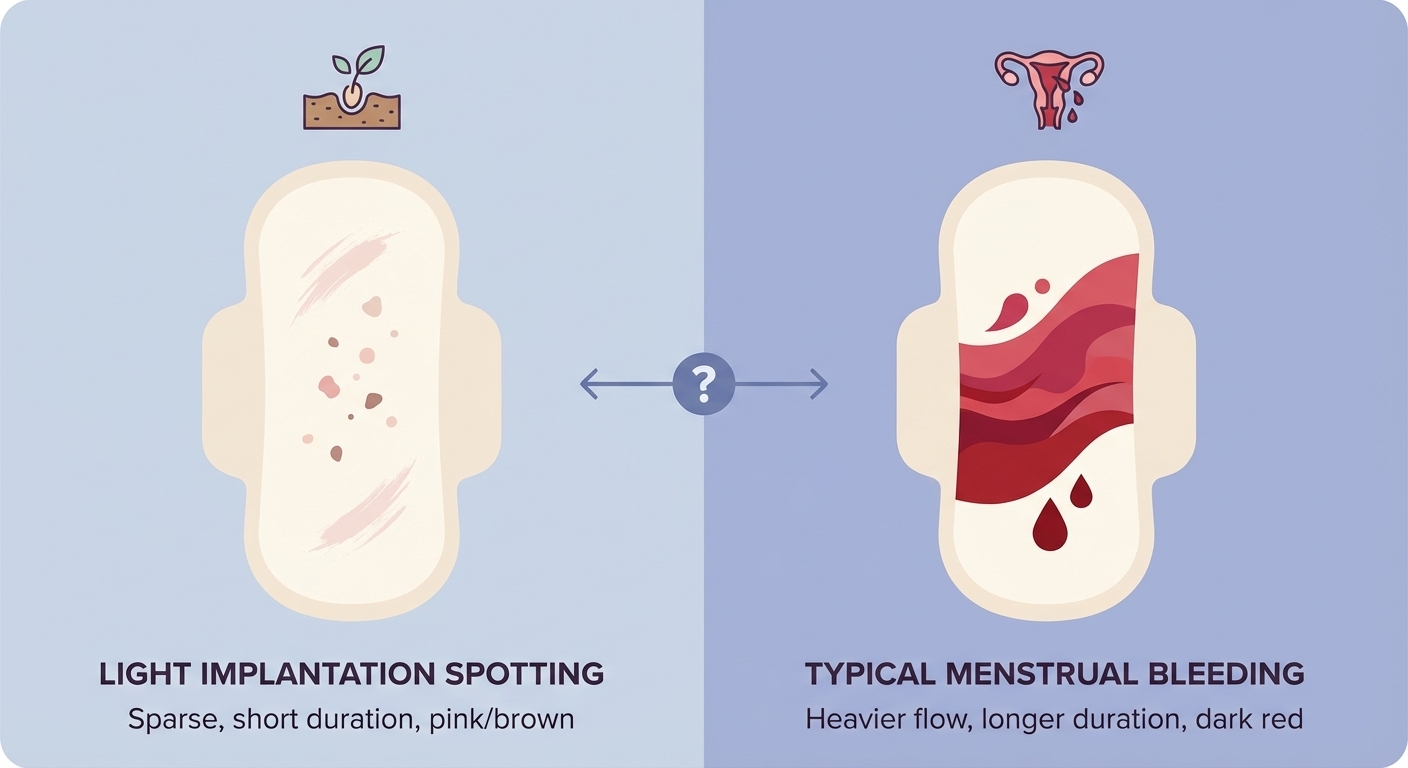
Implantation symptoms and PMS can look nearly identical, with both causing breast soreness, mild cramps, mood swings, bloating, and changes in appetite. The key difference is timing: implantation-related spotting or cramps often appear in the late luteal window (roughly 6–12 days after ovulation equivalent), while classic period cramps and bleeding show up when your actual flow starts or just before it. Implantation bleeding, when it happens, tends to be lighter, shorter, and more pink or brown compared to a typical period, which usually becomes heavier over a day or two. If bleeding quickly becomes heavy, clotty, or is paired with strong pain or dizziness, clinics advise treating it more like a period or possible complication and contacting your doctor rather than assuming it is implantation.
Coping With the Two-Week Wait

The two-week wait after embryo transfer is emotionally intense, especially when every day-by-day symptom feels like a verdict on your future. Fertility clinics and support organizations often recommend setting limits on how often you check your body, using distraction (work, hobbies, gentle movement) and leaning on trusted support rather than doom-scrolling forums. It can help to agree with yourself and your partner on when, or whether, you will take home tests before the official beta, to avoid repeated emotional whiplash from early results. At the same time, knowing your clinic’s red-flag list—heavy bleeding, severe pain, severe bloating or shortness of breath that could suggest OHSS—can give you a sense of control about when to pick up the phone.
Calculate your IVF due date in 10 seconds - IVF due date calculator
Conclusion
Implantation symptoms day by day after embryo transfer can range from “so many things” to absolutely nothing, and both scenarios can still lead to a normal, healthy pregnancy. Mild cramping, light spotting, breast tenderness, or fatigue can be normal, but they can also be caused by hormones and medications, which is why they cannot reliably predict your result. Trust your clinic’s guidance on when to test, call them if anything feels worrying or severe, and give yourself credit for surviving one of the hardest stretches of the IVF process while still holding space for hope.